
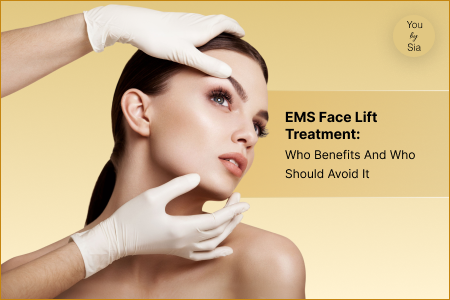
EMS Face Lift Treatment: Who Benefits and Who Should Avoid It
Ageing rarely happens overnight.
One day your skin looks firm and lifted. The next, you begin to notice subtle sagging along the jawline, softer cheek contours, or fine lines that were not there before. This is often when people begin looking beyond creams and serums towards non-surgical treatments that promise lifting without downtime.
The demand for non-invasive facial rejuvenation has grown steadily, with options ranging from heat-based tightening devices to injectable solutions. Each works differently and carries its own considerations. Among these approaches, EMS face lift treatment has gained attention for targeting facial muscles rather than the skin surface.
Instead of altering volume or creating controlled thermal injury, EMS technology focuses on strengthening the muscles that support facial contours. This structural approach raises an important question: who truly benefits from it, and who should avoid it?
Understanding how the treatment works, its safety profile, and its suitability is essential before making a decision. In this guide, we examine EMS face
What Makes EMS Face Lift a Safe Non-Surgical Face Lift
Safety is a primary concern for anyone considering aesthetic treatment. EMS face lift treatment stands out because it focuses on muscle stimulation rather than structural alteration. The procedure works beneath the skin’s surface without cutting, burning, or injecting, which significantly reduces many of the risks associated with surgical or invasive cosmetic options.
Non-Invasive Approach
One of the key reasons EMS face lift treatment is regarded as safe is its non-invasive nature. The procedure does not involve needles, surgical incisions, injectables, or heat-based tissue damage. The skin barrier remains intact throughout the session, lowering the likelihood of infection, scarring, or extended recovery time. For individuals seeking facial lifting without downtime or procedural trauma, this approach offers reassurance and practicality.
Controlled Electrical Muscle Stimulation
The technology used in EMS face lift treatment relies on regulated electrical impulses specifically designed for facial muscles. These impulses are carefully calibrated to activate and tone muscles without overstimulation. When delivered by trained clinicians, the intensity is adjusted according to individual skin sensitivity and muscle response. This level of control helps maintain comfort while supporting visible lifting and toning results.
Structured 3-Step Protocol
Another important safety factor is the structured treatment sequence. Sessions typically begin with an ultrasonic deep cleanse to prepare the skin, followed by targeted EMS muscle activation to improve tone and support facial contours. The final stage often includes LED light therapy to calm the skin and promote overall balance.
This layered method enhances safety by creating a controlled environment at each stage of the procedure. By combining preparation, stimulation, and recovery support, EMS face lift treatment maintains treatment precision while reducing unnecessary stress on the skin.
Is EMS Safe For Face Muscles? Understanding The Technology
Electrical muscle stimulation may sound clinical, but in aesthetic treatments it is designed to support muscle tone, not strain it. When used correctly, EMS face lift technology works in alignment with the body’s natural neuromuscular signals. The key lies in how the stimulation is delivered and controlled.
The Science Behind EMS Muscle Activation
EMS technology activates facial muscles by mimicking the body’s own neuromuscular impulses. These low-level electrical signals trigger-controlled contractions similar to natural facial movements. Rather than forcing unnatural tension, the stimulation encourages muscles to contract and relax in a structured pattern.
Over time, this repeated activation supports gradual strengthening and improved muscle tone. Importantly, the process does not tear or damage muscle fibres. It focuses on conditioning the muscles beneath the skin, which can contribute to a firmer and more lifted appearance.
How EMS Prevents Facial Muscle Overstimulation
Concerns about overworking facial muscles are understandable. However, professional EMS face lift treatments are designed with built-in safeguards to prevent excessive stimulation.
The intensity levels are adjustable and tailored to individual comfort and muscle response. Applicators are positioned with precision to target specific muscle groups rather than the entire face at once. Improvements occur progressively over multiple sessions, allowing muscles to adapt gradually instead of being pushed beyond safe limits.
Ultimately, the safety of EMS face lift treatment depends on proper assessment and skilled application. When delivered by trained clinicians who customise the settings to suit your facial anatomy and skin condition, the technology supports muscle tone in a controlled and measured way.
EMS Facial Side Effects: What To Expect
Understanding potential side effects is an important part of making an informed decision. EMS face lift treatment is generally well tolerated, particularly because it does not involve injections, heat damage, or invasive techniques. However, like any aesthetic procedure, it can produce mild and temporary sensations.
Being clear about what is normal and what is not expected helps set realistic expectations.
Common And Temporary Sensations
During the session, it is normal to feel a mild tingling sensation as the electrical impulses activate the facial muscles. This sensation reflects muscle engagement and typically remains within a comfortable range when settings are properly adjusted.
Some individuals report temporary tightness immediately after the session. This occurs because the muscles have been stimulated and contracted in a controlled pattern. A slight feeling of warmth post-treatment can also occur, particularly if the session includes complementary steps such as cleansing or LED therapy.
These responses are usually short lived and settle quickly without intervention.
What You Should Not Experience
When EMS face lift treatment is performed correctly, certain side effects are not expected. Bruising should not occur because there are no needles or tissue trauma involved. Peeling is uncommon as the treatment does not resurface or exfoliate the skin aggressively.
Extended downtime is not typical, and most individuals resume normal activities immediately. Muscle paralysis should not occur, as EMS stimulates natural contractions rather than blocking nerve signals.
Transparency is essential. While mild sensations are part of the treatment process, significant discomfort, visible injury, or prolonged symptoms are not standard outcomes. Proper assessment, appropriate intensity levels, and professional supervision play a crucial role in maintaining a safe and controlled experience.
Who Is EMS Face Lift Suitable For?
Not every aesthetic treatment is designed for every concern. EMS face lift treatment is best suited to individuals looking for subtle lifting and improved muscle tone rather than dramatic structural change. Understanding suitability helps align expectations with achievable outcomes.
Ideal Candidates For EMS Face Lift
EMS face lift treatment is particularly beneficial for individuals experiencing early to moderate facial laxity. If you have begun to notice softening along the jawline, mild sagging around the cheeks, or reduced firmness in certain areas, muscle stimulation may help improve definition over time.
It can also suit those who feel their face appears dull or tired despite maintaining a consistent skincare routine. By activating underlying muscles, the treatment supports a more toned and refreshed appearance.
Clients who prefer a non-surgical face lift approach often consider EMS because it does not involve incisions, injectables, or extended recovery periods. It appeals to individuals seeking gradual enhancement without committing to invasive procedures.
Suitability Across Different Skin Types
One of the advantages of EMS face lift treatment is its compatibility with most skin types. Because it does not rely on aggressive resurfacing or heat-based technology, it can generally be adapted to suit a wide range of complexions.
For individuals with sensitive skin, consultation is essential. A professional assessment allows clinicians to adjust intensity levels and ensure the treatment is appropriate for your skin condition. With proper evaluation and customisation, many people with sensitivity concerns can safely undergo EMS sessions.
| Skin Type | Is EMS Face Lift Suitable? | Key Considerations |
|---|---|---|
| Normal Skin | Yes | Typically responds well with standard intensity settings. |
| Dry Skin | Yes | May benefit from added hydration before and after treatment. |
| Oily Skin | Yes | Generally well tolerated as no pore-clogging products are required. |
| Combination Skin | Yes | Settings can be adjusted to suit different facial areas. |
| Sensitive Skin | Usually, after consultation | Requires patch assessment and customised intensity levels. |
| Mature Skin | Yes | Can support muscle tone and improve visible firmness gradually. |
Suitability always depends on individual assessment. While EMS face lift treatment is adaptable, professional evaluation ensures that the settings, frequency, and overall approach are tailored to your skin’s specific needs.
Who Should Avoid EMS Face Lift (Contraindications)
Although EMS face lift treatment is considered non-invasive and generally safe, it is not suitable for everyone. A professional consultation is essential to determine whether the treatment is appropriate for your health profile.
Not Recommended For The Following Individuals
EMS face lift treatment is not advised for individuals with pacemakers. Electrical stimulation may interfere with implanted cardiac devices, making the procedure unsuitable in such cases.
Those with metal implants in the facial area should also avoid the treatment unless specifically cleared by a medical professional. Electrical currents interacting with metal components may pose safety concerns.
Individuals with active skin infections or inflammation in the treatment area should postpone sessions until the condition has fully resolved. Stimulating compromised skin can worsen irritation or delay healing.
Open wounds, cuts, or unhealed abrasions are also contraindications. The skin should be fully intact before undergoing muscle stimulation.
Pregnancy is typically considered a precautionary contraindication. Although there is limited evidence of harm, many clinics avoid performing EMS treatments during pregnancy as a safety measure.
Reinforcing the importance of consultation cannot be overstated. A thorough assessment allows clinicians to review medical history, evaluate skin condition, and ensure that EMS face lift treatment is both safe and appropriate for you.
How You By Sia Ensures EMS Face Lift Safety
Comprehensive Pre-Treatment Assessment
Every session begins with a detailed consultation. This includes a careful evaluation of facial structure to understand natural contours and areas of concern. Muscle tone is assessed to determine where stimulation will be most effective and how intensity levels should be adjusted.
A review of medical history is also conducted to identify any contraindications or risk factors. This step ensures that the treatment plan is appropriate and tailored rather than generic.
Customised Treatment Settings
No two faces respond in exactly the same way. For this reason, EMS settings are carefully customised rather than standardised. Intensity levels are controlled and gradually adjusted based on comfort and muscle response.
Balanced muscle activation is prioritised to maintain facial harmony rather than overstimulating isolated areas. Throughout the session, clinicians monitor the skin and muscle reaction continuously, allowing for real-time adjustments if needed.
Structured Aftercare And Recovery
One of the advantages of EMS face lift treatment is its minimal downtime. Aftercare requirements are typically simple, with few restrictions. Most clients are able to return to daily activities immediately following the session.
By combining assessment, customisation, and careful monitoring, You By Sia maintains a controlled and responsible approach to EMS face lift safety.
Is EMS Face Lift Safer Than Other Non-Surgical Face Lifts?
Different non-surgical face lift treatments work in different ways. Safety depends largely on the mechanism used and how the treatment interacts with the skin and underlying structures.
Muscle Strengthening Rather Than Heat-Based Tightening
EMS face lift treatment focuses on strengthening facial muscles to improve tone and structural support. It does not rely on heat-based collagen contraction to create tightening effects. Because thermal energy is not used, concerns linked to excessive heat exposure, such as burns or pigmentation changes, are significantly reduced when compared to certain other technologies.
No Injectables Or Structural Fillers
Unlike treatments that involve dermal fillers or neurotoxins, EMS does not require injections. There are no needles, no added volume, and no temporary muscle restriction caused by injected substances. This removes risks associated with bruising, swelling, vascular complications, or unintended asymmetry related to injectable procedures.
Progressive And Natural-Looking Results
Results from EMS face lift treatment develop gradually over a series of sessions. The improvement comes from conditioning and activating facial muscles rather than creating immediate structural alteration. This progressive approach supports subtle, natural-looking rejuvenation rather than dramatic change.
Conclusion
EMS face lift treatment offers a structured, non-invasive approach to facial rejuvenation. By focusing on muscle strengthening rather than heat-based tightening or injectables, it provides a low-risk option for individuals seeking gradual and natural-looking improvement. Its safety profile is closely linked to professional assessment, customised settings, and careful application.
While it is suitable for many people experiencing early to moderate facial laxity, it is not appropriate for everyone. A thorough consultation remains essential to determine candidacy and ensure the treatment aligns with your skin condition and overall health.
If you are considering an EMS face lift and would like personalised guidance, speak with a qualified clinician to assess your suitability and treatment goals. To book a consultation or learn more, call 02 8806 0135.
FAQs
1. Is EMS Face Lift Safe For Sensitive Skin?
EMS face lift treatment can be suitable for sensitive skin when performed after proper consultation and assessment. Because it does not rely on aggressive resurfacing or heat-based technology, it is generally gentler than many other non-surgical procedures.
2. Are There Side Effects After EMS Face Lift?
Most side effects associated with EMS face lift treatment are mild and temporary. Some individuals may experience slight tingling during the session, temporary tightness, or mild warmth immediately after treatment. These sensations usually settle quickly. Bruising, peeling, extended downtime, or muscle paralysis are not expected when the procedure is performed correctly by trained clinicians.
3. Who Should Not Get An EMS Face Lift?
EMS face lift treatment is not recommended for individuals with pacemakers, certain metal implants in the facial area, active skin infections, or open wounds. It is also generally avoided during pregnancy as a precautionary measure. A detailed consultation and medical history review are essential to determine whether the treatment is safe and appropriate for your specific circumstances.
