
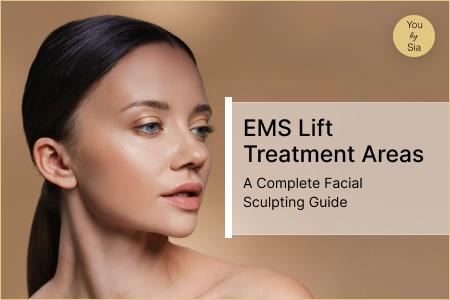
EMS Lift Treatment Areas: A Complete Facial Sculpting Guide
Faces do not lose definition overnight. Changes usually appear slowly and without warning. The jawline begins to soften, the cheeks appear heavier, and the brows sit lower than before. Many people recognise these shifts in photographs long before they consciously notice them in the mirror.
When this happens, skincare often feels insufficient, yet surgery feels excessive. EMS lift enters the discussion as a middle ground. It focuses on stimulating facial muscles to create visible lift and contour, without needles, downtime, or dramatic intervention. The result aims to look natural rather than overdone.
What truly sets EMS lift apart is how precisely it works on different areas of the face. Facial muscles vary in depth, strength, and function. Treating every area the same rarely delivers balanced results. When the correct muscles are activated with intention, facial sculpting becomes more controlled and more effective.
Let us dive in and look at where EMS lift works, why placement matters, and how facial sculpting becomes more precise when treatment areas are clearly understood.
Why EMS Lift Is A Targeted Facial Contouring Treatment
Facial contouring works best when it starts beneath the skin. Creams and devices that focus only on the surface often miss the real cause of sagging. The face depends heavily on muscle structure for shape, lift, and balance. When that support weakens, the skin follows.
Facial Structure And Muscle Support
The skin does not hold itself up independently. It relies on a network of facial muscles that act as a natural framework. These muscles keep the cheeks lifted, the jawline defined, and the brows supported.
Over time, facial muscles lose tone due to ageing, reduced stimulation, and lifestyle factors. As muscle strength declines, the skin begins to droop. This is when contours soften and definition fades, even if the skin itself appears healthy.
How EMS On Face Improves Contour
EMS works by activating deeper facial muscles that are difficult to engage through facial exercises alone. The electrical stimulation triggers controlled muscle contractions, similar to how muscles respond during physical training.
As these muscles strengthen, they provide better structural support to the skin. Lift improves gradually rather than instantly, which helps results look natural and balanced. With consistent sessions, facial contours appear firmer, tighter, and more defined as muscle tone increases.
EMS Lift Focus Area: Cheeks And Mid-Face
The mid-face plays a central role in how lifted or tired the face appears. When cheek support weakens, facial features can look flatter and heavier, even in the absence of deep lines. This area often shows early signs of structural change before ageing becomes obvious elsewhere.
Key Concerns Addressed
Losing Structural Support: Reduced cheek support weakens the natural framework of the face. As muscle strength declines, lift and contour begin to fade.
Flattening The Mid-Face: Lower cheek positioning creates a flatter, more fatigued appearance through the mid-face. This change often makes the face look tired even when well rested.
Softening Facial Definition: As cheek support drops, overall facial balance is affected. Definition across the face becomes less clear, reducing a sculpted and supported look.
How EMS Lift Supports The Cheeks And Mid-Face
EMS lift works by stimulating the muscles that hold the cheeks in position and maintain mid-face structure. By activating these deeper muscle groups, the treatment helps rebuild strength at a foundational level. As muscle tone improves, the skin receives better support, leading to a firmer and more lifted mid-face.
With consistent sessions, these structural changes become visible. Cheek contours appear more defined and balanced, while the mid-face looks lifted rather than weighed down. The overall result is a fresher, more supported appearance that remains natural and in harmony with the rest of the face.
EMS Lift Focus Area: Jawline And Lower Face
The jawline defines the structure of the lower face. When support weakens in this area, the face can quickly lose sharpness and balance. Even subtle changes along the jaw can make the lower face appear heavier and less defined.
Key Concerns Addressed
Softening The Jawline: Reduced muscle tone causes the jawline to lose its crisp outline. This softening often appears before more visible signs of ageing.
Losing Lower Face Definition: Early loss of structure in the lower face can blur facial contours. This shift affects overall balance and makes the jawline look less sculpted.
How EMS Lift Supports The Jawline And Lower Face
EMS lift activates the muscles that support the lower face and jaw. By stimulating these deeper muscle groups, the treatment improves strength and firmness along the jawline. Stronger muscle support helps restore contour and definition in this area.
With regular sessions, the jawline appears more defined and structured. Heaviness in the lower face reduces, creating a firmer and more balanced lower facial profile that still looks natural.
EMS Lift Focus Area: Nasolabial Folds And Mouth Support
The area around the mouth is one of the most expressive parts of the face. It is also one of the first areas to show structural fatigue. As muscle support weakens, smile lines deepen and the skin around the mouth begins to sag, changing how the lower face appears at rest.
Key Concerns Addressed
Deepening Smile Lines: Nasolabial folds become more pronounced when the muscles beneath them lose strength. This change often creates the impression of ageing, even when skin texture remains smooth.
Sagging Around The Mouth: Reduced muscle support around the mouth can cause the lower face to appear droopy or pulled downward. This affects facial balance and softens overall definition.
How EMS Lift Supports Nasolabial Folds And Mouth Structure
EMS lift works by strengthening the muscles that support the area around the mouth, rather than targeting the folds directly. By activating deeper muscle layers, the treatment improves lift beneath the skin and reinforces lower facial structure. This method supports the area naturally, without filling, freezing, or limiting facial movement.
With consistent sessions, nasolabial folds appear softer and less pronounced. The lower face looks more supported and balanced, while expressions remain natural. Overall, the mouth area appears firmer, lifted, and structurally stronger.
EMS Lift Focus Area: Upper Cheek And Eye Support
The upper cheek and eye area often reflects fatigue before any other part of the face. Subtle loss of support here can make the eyes look tired, even when the skin appears smooth. EMS lift in this region is always conservative and supportive, with a focus on maintaining natural expression and balance.
Key Concerns Addressed
Creating A Tired Eye Appearance: Reduced muscle support beneath the eyes can cause the area to look dull or heavy. This often gives the impression of fatigue, regardless of rest or skincare.
Losing Upper Cheek Support: When the upper cheek loses strength, the area beneath the eyes lacks structural lift. This affects the transition between the eyes and mid-face, making the face look less balanced.
How EMS Lift Supports Upper Cheek And Eye Area
EMS lift strengthens the upper cheek muscles that play a key role in supporting the under-eye area. By improving muscle tone beneath the skin, the treatment enhances structural support without directly treating the delicate eye region. This conservative approach prioritises safety while delivering controlled, natural lift.
With consistent sessions, the eye area appears brighter and more refreshed. Improved upper cheek support creates better balance between the upper and mid-face. The overall result is subtle and supportive, helping the face look rested and well balanced rather than dramatically altered.
EMS Face Lift Results By Area (What To Expect)
The treatment works by strengthening facial muscles over time, which means visible changes develop in stages rather than appearing instantly. Understanding this progression helps set realistic expectations and highlights why consistency matters.
After Initial Sessions
During the early sessions, facial muscles begin responding to stimulation. This often creates a subtle feeling of firmness in treated areas, particularly across the cheeks, jawline, and lower face. Improved muscle activation supports better blood circulation, which can enhance skin vitality and give the face a more refreshed appearance. At this stage, changes are usually felt before they are clearly seen.
After Multiple Sessions
As muscle strength improves, visible structural changes become more noticeable. Cheeks appear better supported, and the jawline looks firmer and more defined. Facial contours start to look clearer as underlying muscle tone increases. The face appears healthier and more lifted overall, with results that look natural and balanced rather than tight or overcorrected.
How You By Sia Personalises EMS Lift Treatment Areas And Who It Suits Best
EMS lift works best when it is adapted to the face in front of you. At You By Sia, treatments are not applied using a fixed template. Each session is shaped around facial structure, muscle response, and individual goals to ensure results look balanced and natural.
How Treatment Areas Are Customised
Every EMS lift journey begins with a detailed facial assessment. Muscle tone, facial symmetry, and areas of structural weakness are carefully evaluated before treatment begins. This ensures the focus remains on support and balance rather than isolated lifting.
EMS intensity is adjusted for each treatment area. Stronger muscle groups may require deeper stimulation, while delicate areas are treated more conservatively. This approach helps maintain natural movement while improving definition.
Symmetry and proportion guide every decision. Treatment is planned to support how different areas of the face work together, rather than overcorrecting one zone. Skin condition and real-time muscle response are also considered, allowing the treatment to adapt as the face responds over multiple sessions.
Who Is Best Suited For EMS Face Lift Treatment Areas
EMS lift is well suited for individuals experiencing early to moderate facial laxity. It is particularly beneficial for those noticing reduced cheek support, softening along the jawline, or gradual loss of facial definition.
The treatment appeals to clients who prefer a non-invasive approach to skin rejuvenation and want visible improvement without drastic change. It is ideal for those seeking gradual, natural-looking results that enhance facial structure rather than alter expression.
Conclusion
Facial ageing rarely comes from one problem. It shows up as small changes that add up over time. A softer jaw. Less cheek support. Subtle heaviness where the face once felt light. EMS lift works because it addresses these changes at the muscle level, not just on the surface.
The real value of EMS lift lies in precision. Treating the right areas, at the right intensity, and in the right sequence matters more than aggressive lifting. When muscle support improves, the face looks more defined without losing movement or expression.
Results are not instant, and that is the point. Gradual improvement allows the face to adjust naturally. Definition returns in a way that feels believable, balanced, and aligned with how you actually look and move.
If you are considering a non invasive approach to facial sculpting that prioritises structure over shortcuts, EMS lift is worth serious consideration.
To discuss personalised EMS lift treatment areas or book a consultation, call 02 8806 0675.
FAQs: EMS Face Lift Treatment Areas
1. Which Facial Areas Show The Most Noticeable Response To EMS Face Lift?
EMS face lift tends to be most effective in areas where muscle support directly influences facial shape. The cheeks, jawline, and lower face often respond well because strengthening these muscles improves overall structure and definition rather than surface tightness alone.
2. Can EMS Lift Help Redefine The Jawline?
Yes, EMS lift can support jawline definition by reactivating the muscles that hold the lower face in place. As these muscles regain strength, the jawline appears firmer and more clearly outlined, without creating an artificial or rigid look.
3. Is EMS Lift Effective For Cheeks And Smile Lines?
EMS lift improves cheek support, which can reduce the heaviness that deepens smile lines over time. Instead of targeting the lines themselves, the treatment works underneath, helping lift and support the area while keeping facial movement natural.
4. How Long Does It Take To Notice Facial Contour Changes?
Early sessions often bring a feeling of firmness and subtle lift. Visible contour changes typically develop over several sessions as muscle tone improves. This gradual progression is what helps results look balanced and believable.
