Fungal Acne vs Hormonal Acne: How to Identify the Difference Before Treating It
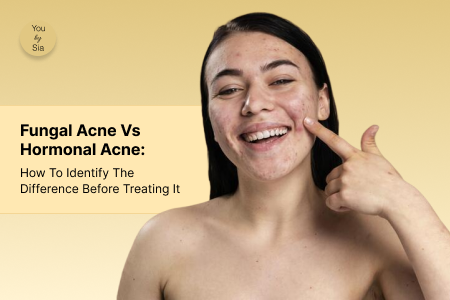
Acne is not always caused by the same underlying issue. Many people assume that every breakout is hormonal, especially when pimples appear on the jawline, chin, or cheeks. However, some breakouts that look like typical acne may actually be fungal acne, which develops due to an overgrowth of yeast on the skin.
Because fungal acne and hormonal acne can appear similar at first glance, they are often confused. This confusion can lead to using the wrong skincare products or treatments, which may worsen the condition instead of improving it.
Understanding the difference between fungal acne and hormonal acne is important before starting any treatment. Each condition develops for different reasons, shows slightly different symptoms, and responds to completely different treatments.
What Is Fungal Acne
Fungal acne is a skin condition medically known as Malassezia folliculitis. It occurs when yeast from the Malassezia family grows excessively inside hair follicles and triggers inflammation.
This yeast normally exists on the skin without causing any problems. When the balance of microorganisms on the skin changes, the yeast can multiply rapidly and irritate the follicle walls. This irritation results in small acne-like bumps that resemble traditional breakouts.
Fungal acne commonly appears in areas where sweat and oil accumulate. The forehead, chest, shoulders, upper back, and sometimes the hairline are the most frequently affected areas because they remain warm and slightly moist, creating favourable conditions for yeast growth.
What Causes Fungal Acne
Warm And Humid Conditions: Heat and humidity create an environment where yeast can thrive. When sweat remains on the skin for long periods, it provides the moisture that encourages yeast growth.
Frequent Sweating: Regular sweating during exercise or while wearing tight clothing can trap moisture against the skin. This can irritate hair follicles and support yeast multiplication.
Use Of Antibiotics: It reduce bacteria on the skin but do not affect yeast. When bacteria decrease, yeast can grow more easily and disrupt the balance of the skin microbiome.
Excess Sebum Production: The yeast responsible for fungal acne feeds on the natural oils produced by the skin. Higher oil production can therefore create conditions that support yeast growth.
Occlusive Skincare Or Cosmetic Products: Thick creams, heavy oils, or dense cosmetic products can trap heat and moisture on the skin surface. This can increase the chances of yeast overgrowth within the follicles.
Common Fungal Acne Symptoms
Small Uniform Bumps: One of the most noticeable signs is the presence of tiny bumps that look almost identical in size and shape. These bumps may be red or skin coloured and often appear close together.
Clusters Of Breakouts: Rather than forming as isolated pimples, fungal acne usually develops in tight groups. These clusters are commonly seen on the forehead, chest, shoulders, and upper back.
Persistent Itching: It is a key symptom that helps differentiate fungal acne from other types of breakouts. The irritation may become more noticeable when the skin becomes warm or sweaty.
Inflamed Hair Follicles: The bumps typically form around hair follicles and may appear slightly raised. This inflammation can make the skin feel rough or irritated to the touch.
Limited Variation In Lesions: Unlike bacterial acne, which may include blackheads, whiteheads, cysts, and nodules, fungal acne usually presents with bumps that look very similar to one another.
What Is Hormonal Acne
Hormonal acne is a type of Acne vulgaris that develops due to hormone-related changes affecting the skin’s oil glands. Hormones known as androgens play an important role in this process. When androgen activity increases, the sebaceous glands may enlarge and produce more oil than usual.
Excess sebum can combine with dead skin cells and accumulate inside the pores. As the follicle becomes blocked, inflammation may develop and visible acne lesions can form on the skin.
Hormonal acne most frequently appears on the lower half of the face. The chin, jawline, and lower cheeks are common areas where these breakouts occur. In some individuals, acne may also appear on the neck, chest, or back.
What Causes Hormonal Acne
Hormonal Changes During Menstrual Cycles: Many people notice acne flare ups shortly before menstruation. Hormone levels shift during this stage of the cycle, which can stimulate oil production and increase the likelihood of clogged pores.
Increased Androgen Activity: Androgens can enlarge sebaceous glands and trigger higher oil production. When excess sebum builds up inside pores, it can create conditions that support inflammation and acne formation.
Stress Related Hormonal Responses: Periods of stress may influence hormone balance in the body. These changes can stimulate the skin’s oil glands and contribute to recurring breakouts.
Hormonal Health Conditions: Certain conditions that affect hormone regulation, such as Polycystic Ovary Syndrome, may increase androgen levels and lead to persistent hormonal acne.
Lifestyle And Skin Care Factors: Dietary habits, irregular sleep patterns, and unsuitable skincare products can aggravate acne when the skin is already sensitive to hormonal fluctuations.
Common Hormonal Acne Symptoms
Deep And Inflamed Breakouts: Hormonal acne frequently appears as swollen, inflamed lesions beneath the surface of the skin. These breakouts can feel tender and may take longer to heal than surface pimples.
Breakouts Along The Jawline And Chin: Acne concentrated around the jawline, chin, and lower cheeks is commonly associated with hormonal activity. This pattern is often considered a typical indicator of hormonal acne.
Recurring Cycle Related Breakouts: Many individuals experience flare ups at similar points during each menstrual cycle. These recurring breakouts often signal that hormones are influencing the skin.
Cystic Or Nodular Lesions: Hormonal acne may include deeper cysts or nodules that form beneath the skin. These lesions tend to be larger and can remain inflamed for extended periods.
Increased Oiliness In The Skin: Higher oil production may cause the skin to appear shinier than usual. Excess oil can also make pores more prone to blockage and inflammation.
Key Differences Between Fungal Acne And Hormonal Acne
| Factor | Fungal Acne | Hormonal Acne |
|---|---|---|
| Cause | Yeast overgrowth in hair follicles | Hormonal fluctuations affecting oil glands |
| Medical Term | Malassezia folliculitis | Acne vulgaris |
| Appearance | Small uniform bumps | Larger inflamed pimples or cysts |
| Itching | Often itchy | Usually not itchy |
| Common Areas | Forehead, chest, back, shoulders | Chin, jawline, lower face |
| Trigger | Sweat, humidity, yeast growth | Hormonal changes, menstrual cycle |
Why Fungal Acne Is Often Misdiagnosed
Fungal acne is commonly misidentified because its appearance closely resembles regular acne. The bumps can look like small pimples, which often leads people to assume they are dealing with standard breakouts rather than a yeast related condition.
Another reason misdiagnosis occurs is that many individuals try conventional acne products first. These treatments are designed to address bacteria and clogged pores, so they may not improve yeast driven breakouts. When the skin does not respond as expected, the underlying cause may remain unnoticed.
Limited awareness also contributes to confusion. Many people are familiar with bacterial acne but are less aware that yeast within hair follicles can also trigger acne like bumps. As a result, fungal acne may be overlooked during self assessment.
How Fungal Acne Is Diagnosed
Correct diagnosis is important because fungal acne requires a different treatment approach than bacterial acne. The most reliable way to identify the condition is through professional evaluation.
Consulting A Skincare Professional: Visiting experienced skincare specialists, such as the experts at You By Sia, can help determine whether the breakouts are caused by yeast overgrowth or another skin concern. Professionals can examine the skin closely and assess the breakout pattern, location, and symptoms.
Skin Examination: During a consultation, specialists usually evaluate the size, pattern, and distribution of the bumps. Fungal acne often appears as uniform clusters of small bumps, which helps differentiate it from other acne types.
Assessing Symptoms: Professionals may also ask about sensations such as itching or irritation. Persistent itchiness is a common indicator of fungal acne and can help guide diagnosis.
Reviewing Skincare And Lifestyle Factors: Experts often review the individual’s skincare routine, recent antibiotic use, sweating patterns, and environmental exposure. These factors can influence yeast growth and help confirm whether fungal acne is likely.
Conclusion
Breakouts that look similar can have very different causes. Fungal acne requires treatments that control yeast overgrowth, while hormonal acne responds better to approaches that regulate oil production and hormonal activity. Using the wrong products can irritate the skin, worsen congestion, or allow breakouts to continue without improvement.
Understanding what your skin actually needs is the first step toward managing persistent acne. When the condition is identified correctly, treatments, skincare products, and lifestyle adjustments can be selected with greater accuracy.
If you are experiencing ongoing breakouts and are unsure about their cause, a professional skin assessment can help clarify the condition and guide suitable care. The specialists at You By Sia can examine your skin, determine whether the breakouts are fungal or hormonal, and recommend treatments designed for your specific concern.
To book a consultation, call 02 8806 0836 and speak with the team about the most suitable approach for your skin.
FAQs
1. How can I tell the difference between fungal and hormonal acne?
Fungal acne appears as small, uniform clusters of itchy bumps, often on the forehead, chest, shoulders, or back. Hormonal acne usually occurs along the jawline and chin, with larger inflamed pimples or cysts that are tender rather than itchy.
2. Can lifestyle or skincare habits worsen acne?
Yes. Using heavy creams, oily products, or wearing tight clothing that traps sweat can worsen fungal acne. For hormonal acne, stress, poor sleep, and certain diets may aggravate breakouts. Proper routines and targeted treatments help manage both types effectively.
3. Can fungal acne and hormonal acne occur at the same time?
Some individuals may experience both conditions simultaneously, which can make breakouts appear more severe and harder to treat. Accurate diagnosis is essential to address both causes effectively.
