
Skin Needling for Acne Scars in Sydney: What Results Can You Realistically Expect?
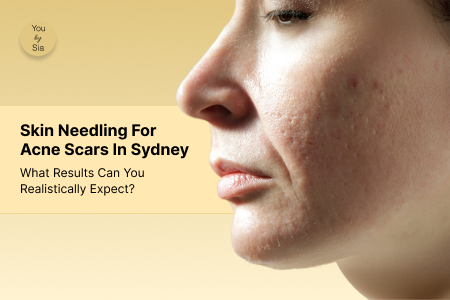
You clear your acne, but the scars stay. And they behave differently. Some catch the light, some show up more in photos, and some refuse to fade no matter what you apply. It can feel like you are doing everything right, yet your skin still does not reflect it.
This is usually the point where skin needling starts coming up. Clinics across Sydney recommend it as a go-to treatment for acne scars, often positioned as a way to rebuild smoother skin rather than just treat the surface. It sounds practical and science-backed, which makes it appealing if you are tired of temporary fixes.
But before committing, there is one question that matters more than anything else: what will your skin actually look like after it? Not in ideal conditions, not in filtered images, but in real life.
Skin needling can improve acne scars, but the results are gradual, subtle, and highly individual. Knowing what to expect upfront helps you avoid disappointment and make a decision that aligns with your goals.
The Process Behind Skin Needling Treatment
Skin needling, often referred to as microneedling, is a treatment that focuses on improving skin texture by activating your skin’s own healing response. Rather than removing the top layer of skin, it works beneath the surface to support long-term repair.
During the procedure, a device with very fine needles creates tiny, controlled punctures in the skin. These micro-injuries are not random. They are carefully performed to trigger the skin’s natural healing process, encouraging the production of collagen and elastin.
This matters because acne scars are usually the result of disrupted collagen. When the skin does not heal evenly after breakouts, it can leave behind indentations or uneven texture. By stimulating fresh collagen, skin needling helps fill and smooth these areas over time.
Types Of Acne Scars That Respond Best
Not all acne scars behave the same way, which means they do not respond to treatment in the same way either. Understanding your scar type helps set realistic expectations before starting skin needling.
Atrophic Scars: These are the most common and tend to respond best to skin needling. They appear as shallow depressions in the skin and include rolling scars and boxcar scars. Because they are caused by a loss of collagen, stimulating new collagen can gradually improve their depth and texture.
Rolling Scars: These create a wave-like appearance on the skin. Skin needling can be particularly effective here, as boosting collagen helps smooth out the uneven surface over time.
Boxcar Scars: These are more defined with sharper edges. While improvement is possible, results may vary depending on how deep the scars are.
Ice Pick Scars: These are deeper and narrower, often extending further into the skin. Skin needling alone may not deliver significant results for this type. In many cases, clinics in Sydney recommend combining treatments for better outcomes.
What Results Can You Realistically Expect?
Stimulate Gradual Collagen Production: Trigger your skin’s natural repair process with each session, allowing collagen to rebuild over several weeks. This ongoing regeneration is what drives visible improvement in scarred areas.
Reduce The Depth Of Acne Scars: Improve mild to moderate atrophic scars by strengthening the underlying skin structure, which helps lift indented areas and make them appear less pronounced.
Improve Overall Skin Texture: Create a smoother and more even surface, as repeated treatments enhance skin density and reduce rough or uneven patches caused by scarring.
Commit To Multiple Treatment Sessions: Follow a planned course of 3 to 6 sessions spaced 4 to 6 weeks apart, since consistent stimulation is necessary to achieve noticeable and lasting results.
Observe Results Over Time: Track visible changes over 2 to 4 months, with continued improvement even after the final session as collagen continues to mature.
Set Realistic Expectations: Aim for visible reduction in scars and improved skin quality, while understanding that complete scar removal is not achievable with skin needling alone.
How Many Sessions Will You Need?
Skin needling delivers results through a series of treatments rather than a single session. Each appointment triggers collagen production, but visible improvement depends on how consistently this process is repeated over time.
In most cases, 3 to 6 sessions are recommended for acne scars. This range can vary based on the type and depth of scarring. Mild, shallow scars may respond within a few sessions, while deeper or long-standing scars often require additional treatments to show noticeable change.
Sessions are commonly scheduled with a 4 to 6 week gap to support proper healing. This interval is important because your skin needs time to complete its healing cycle and build new collagen before being stimulated again. Shortening this gap does not accelerate results and may interfere with proper recovery.
Results tend to build progressively across the treatment plan. Early sessions focus on initiating collagen repair, while later sessions contribute to visible smoothing and refinement. Your practitioner may also adjust the number of sessions based on how your skin responds, making the plan more tailored to your progress rather than following a fixed schedule.
In some cases, maintenance sessions may be suggested after the initial course. These are not always necessary, but they can help support collagen levels and maintain improvements over time.
What Affects Your Results?
The results of skin needling are not determined by the treatment alone. Several factors influence how effectively your skin responds and how noticeable the improvements will be.
One of the most important factors is the type and depth of your acne scars. Shallow scars tend to respond more quickly because they require less collagen rebuilding, while deeper scars take longer and may need additional treatments to show visible change.
Your skin’s natural healing ability also plays a key role. Collagen production varies from person to person, which means some individuals may see faster or more pronounced results than others. Age, overall skin health, and lifestyle habits can all influence this process.
The experience and technique of the practitioner matter as well. Proper depth, precision, and use of medical-grade equipment can directly impact how effectively collagen is stimulated and how safely the treatment is performed.
afterAftercare is another critical factor. Protecting your skin from sun exposure, following recommended skincare, and avoiding irritation after treatment all support better healing and help maintain results.
Together, these factors determine not just how quickly you see results, but also how significant those results will be over time.
What To Expect During Recovery And Downtime
Skin needling is considered a low-downtime treatment, but your skin still needs time to recover properly after each session. The healing process is usually mild and manageable, especially compared to more intensive procedures.
Following the treatment, you may notice redness and a warm sensation, much like mild sun exposure. This reaction is expected and typically settles within 24 to 48 hours. Some people may also experience slight swelling or sensitivity during this period.
As your skin begins to heal, you might notice dryness, tightness, or light flaking. These are normal signs of the renewal process and usually resolve within a few days. Most people can return to their regular routine shortly after treatment, with minimal disruption.
Keeping the skin hydrated, avoiding direct sun exposure, and using gentle skincare products can help support healing and prevent irritation.
While the downtime is short, the internal repair process continues for weeks. This is when collagen production takes place, gradually improving the appearance of acne scars over time.
Conclusion: What Results Can You Realistically Expect?
Skin needling can improve the appearance of acne scars, but it works through gradual, consistent change rather than instant transformation. The treatment supports your skin’s natural repair process, helping to smooth texture and reduce the depth of scars over time.
Results depend on several factors, including the type of scars, the number of sessions, and how your skin responds to treatment. While noticeable improvement is achievable, complete scar removal is not a realistic outcome.
Approaching skin needling with clear expectations makes a significant difference. When combined with the right treatment plan and a qualified clinic such as You By Sia, it can deliver meaningful, long-term improvements in skin texture.
Ultimately, the goal is not perfection, but healthier, more even-looking skin that continues to improve with time and consistency.
FAQs
1. Is Skin Needling Painful For Acne Scars?
Skin needling is generally well tolerated. A numbing cream is applied before the procedure to reduce discomfort, so most people experience only mild sensations during treatment.
2. Can Skin Needling Make Acne Scars Worse?
When performed correctly by a qualified practitioner, skin needling does not worsen scars. Poor technique or improper aftercare, however, can lead to irritation or temporary skin issues.
3. Is There Any Special Aftercare Required?
Yes, you need to keep your skin hydrated, avoid sun exposure, and use gentle skincare products to support healing and protect the treated area.
4. Does Skin Needling Work For Old Acne Scars?
Yes, older scars can still improve with skin needling, although they may require more sessions since collagen loss has been present for a longer time.
